


The proverbial toilet wall onto which I rant maniacally. Roll up, roll up all to see the madman.
There's also my old tumblr which has a bunch of stuff I haven't yet bothered to bring to this new site.

|
There Was An Attempt |
At this point I honestly feel like I mostly follow the AAA space and the summer games reveal season out of obligation.
I've been falling out of step with AAA for the past few years now. It's not that I really hate big budget games, I've been playing a lot of 7th gen games as of recent since I missed out on that generation mostly, but AAA today just doesn't appeal to me personally anymore. I don't feel like it feels 'gamey' enough, it's too far from the janky-but-earnest mix of storytelling and gameplay I've come to love from the medium. Luckily indies still provide that, so it's not like I've stopped playing games altogether.
So for the most part I've sat through the Not-E3 Season with a cocktail of preference in hand (this year it was coke and whiskey highballs, if you're curious), pointing at laughing at the fairly obvious mistakes. Even with E3's live stage cringe out of the picture with the boring modern-day directs, there's still some amusement in seeing money being lost on weird bets.
However, this year the vibe has been considerably different. While in the past I've felt like many AAA games have confidently headed into the wrong direction, now there's more of an air of desperation. I think the sentence that I'd summarize the publishers' attitude with is "what do you want from me".
It's been strange since this is the first time in a while that I've seen games that I could genuinely enjoy being announced again. There's a comeback of racing games for the casual audience which is kind of exciting, some games with interesting settings from developers whose previous work I enjoy.
But many of these announcements are permeated with just… strange decisions that make no sense. The new Stuntman game could be cool, but the announcement trailer was set up with lamer than lame 80s movie references, which are beyond passé at this point. A new Crazy Taxi should be right up my alley, but the game's visuals look entirely edgeless in a way that clashes with the game's contents, and the gameplay looks simplified to the point of boredom. The Ocarina of Time remake - while not something I care about because I'm not a 40-year-old Nintentuber - should still be an easy slam dunk, but the visual direction looks hauntingly similar to the shitty CryZENx Unreal videos that have been a laughing stock of the internet for years. The new RGG game has Tupac's soul trapped inside it for all eternity, like a wack ass liquid crystal prison.
We've all known that the Big Money Big Bling AAA publisher space has been on shaky ground for years, but this is the first year where I feel like I can actually see the sweat droplets on everyone's faces through the games that are being announced. The leadership is worried, the developers are being crushed, and it feels like less and less of the upcoming releases have any notable direction. I don't believe for a second that the industry has been overtaken by people with no vision and no direction skills, rather that there is an ongoing and constant clash between the money-havers and the game developers that's damaging the projects being made more visibly than ever before.
It remains to be seen how the game space develops, but I have a funny feeling that this might be one of a few pivotal years in the history of video games as an artistic medium.
|
The Legend of the Solo Developer |
Ed. Note: This post was originally published on DistantIllusions.com on October 4th 2025, but was taken down after we decided to not voice our personal opinions on that site (probably for the better)
Recently I've been hearing a lot about solo development. Indie games have been fracturing over time, turning teams into smaller teams and eventually into the smallest possible team, one person. I've heard some tech CEOs too deep into the AI rabbithole claiming that they can push it to zero people, but that's a statistical error, because those products are actually no longer games.
I have some words about the nature of where indie development has gone due to the growth of the internet. 1680 of them, in fact. This is the story of how the concept of gaming communities as a whole ended and oh god who replaced my table with a shredder, I just put the finished blogpost there and oh god oh fuck it's all gone my work is forever destroyed I'm going to cry.
I've decided to split the topic up because this was starting to get too big for just a paragraph in that post. Let's look at the reality of solo development and how it's kind of a lie. Unfortunately the only thing you're really developing solo is a wanker's cramp.
The Curious Case of the Alleged Solo Developer
There's a few games that fall under the solo developer umbrella. You've no doubt heard of them because the people who talk about how a one person development team is the ultimate artistic vision never shut the fuck up about them. Toby Fox's Undertale is one of these.
Let's look at the Mobygames listing for Toby Fox's Undertale. There are… 938 listed credits for the project. To be fair, most of these are kickstarter backers, who did not directly contribute to the game outside of payment (one more reason to not consider executives game developers), so let's whittle the list down to unique names who did something development-related:
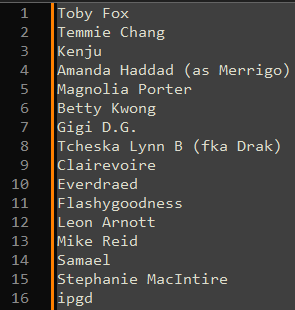
There's 16 developers for 7 souls, an average of 2.29 developers per soul.
There's 16 developers listed. This is actually close to the number of people who worked on the original Crash Bandicoot's core development team, 13. Andy Gavin is noted as being one of the very first solo developers, this is a well-known fact after all.
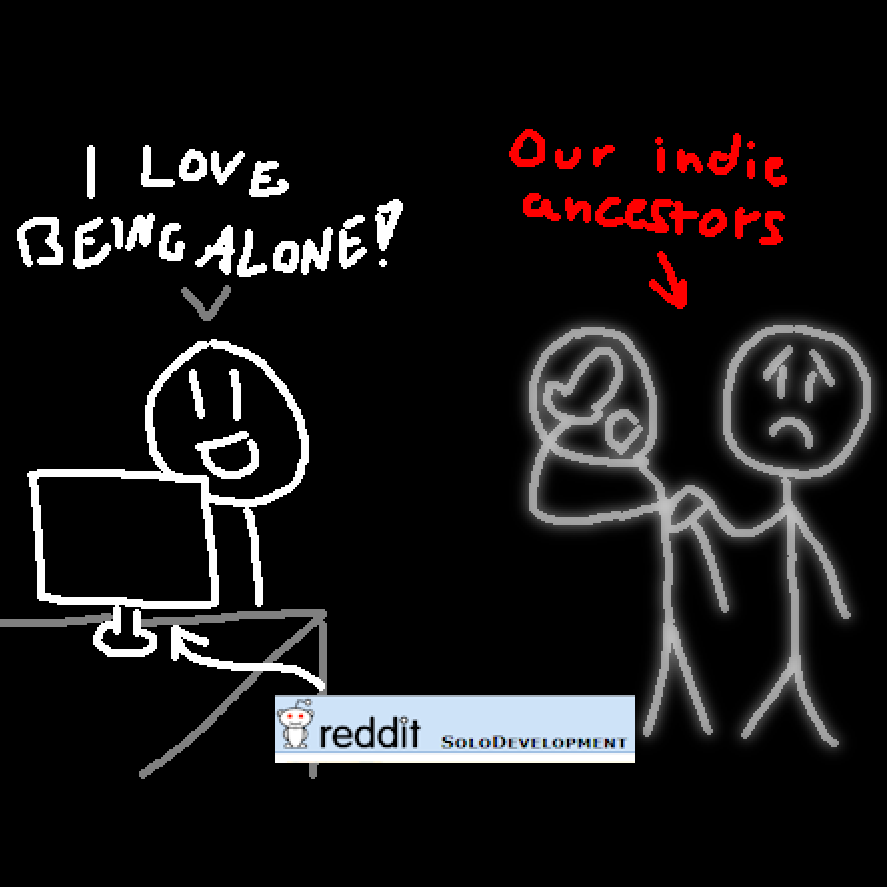
Alright fine, let's look up more. I went on Google and searched for solo developed games. Let's see here, there's a Reddit thread about this. Reddit's practically the home of the solo developer fervor we see today, so it couldn't possibly be wrong, right?

A reddit post (a bad thing) nominating The Return of the Obra Dinn (a good game)
Sounds good to me. Let's now verify that claim and, oh what the fuck man

There's 89 devs...
So far it kind of sounds like a lot of solo developer games mostly had a single lead developer who acted as the reins of the project and probably contributed a lot, but didn't do everything alone. This may or may not be foreshadowing.
Now let's examine our last case: Solo: A Star Wars Story. They were so proud of their development history that they put it in the ti–
How low can you go? So lo!
Okay so, clearly there's a reason developers don't work alone.
Well, yeah. You may not have heard of it, but there's this thing called social interaction that most people do. Shocker, I know. I only learned of it recently too and it surprised me greatly. It's upsetting that nobody had told me that I don't need to live in a cave and that my abilities of speech weren't just meant for narrating creepy voice logs for an aspiring horror game protagonist to find one day.
One of the most important abilities for a developer is to push themselves beyond their own limits. Game development is always a battle against some sort of limitations, be it the technical boundaries of the platform you're working on, time, or maybe your own stupidity.
Working by your lonesome is hard work. A lot of the things you'd normally get to share and put off your own plate are now stacked on it. I work in a team of two, and oftentimes the amount of work for some aspects is still pretty overwhelming. I can't even imagine taking up the remaining tasks I'm not doing at the moment. As a result, we have started to get a few crutches for moro– er, developers who want to work alone but don't have the skills and the madness to continue bashing their heads against the brick wall.
So more and more developers are trying to find ways around the hard parts, using Unity's packages, tutorial project frameworks for very broad genres or (may Allah forgive me for uttering this word) AI. These are not just potholing games further (another pet peeve of mine) but also distancing developers from the nitty gritty of making the game, which is a big part of developing the ability of understanding what makes a game feel good, let alone actually managing it.
All of this is a net loss for the developers, since game development itself can be a fun, rewarding experience, but if you abstract all the designwork and innovation out of it to grind the more repetitive tasks, you end up with bland products. Products, not games. You need to lessen your own workload and scope, and let your own worldview broaden, and both of these are achieved by working with other people.
It's never really guaranteed that you'll find success with anything you do, but the important part is that making it means something to you. In the pursuit of that meaning, it's imperative that you learn to fuck with others and appreciate what they bring to the table. Otherwise you'll just go fuck yourself.
|
Games Are Made by Individuals |
Ed. Note: This post was originally published on DistantIllusions.com on April 14th 2025, but was taken down after we decided to not voice our personal opinions on that site (probably for the better)
Ever since the dawn of games, back when every console was called a Nintendo and when continuing from a game over cost a quarter and it wasn’t called a microtransaction, games have had a difficulty sharing the idea that games are in fact made by people. In the 80s and 90s, Japanese arcade games had an infamous unwritten rule that developers were not to be credited by their real names in the games to prevent competing companies from poaching talented developers. It’s not a situation too different from now, where devs don’t get credited on the games they worked on, except the competing companies aren’t willing to hire them even if they submitted an application.
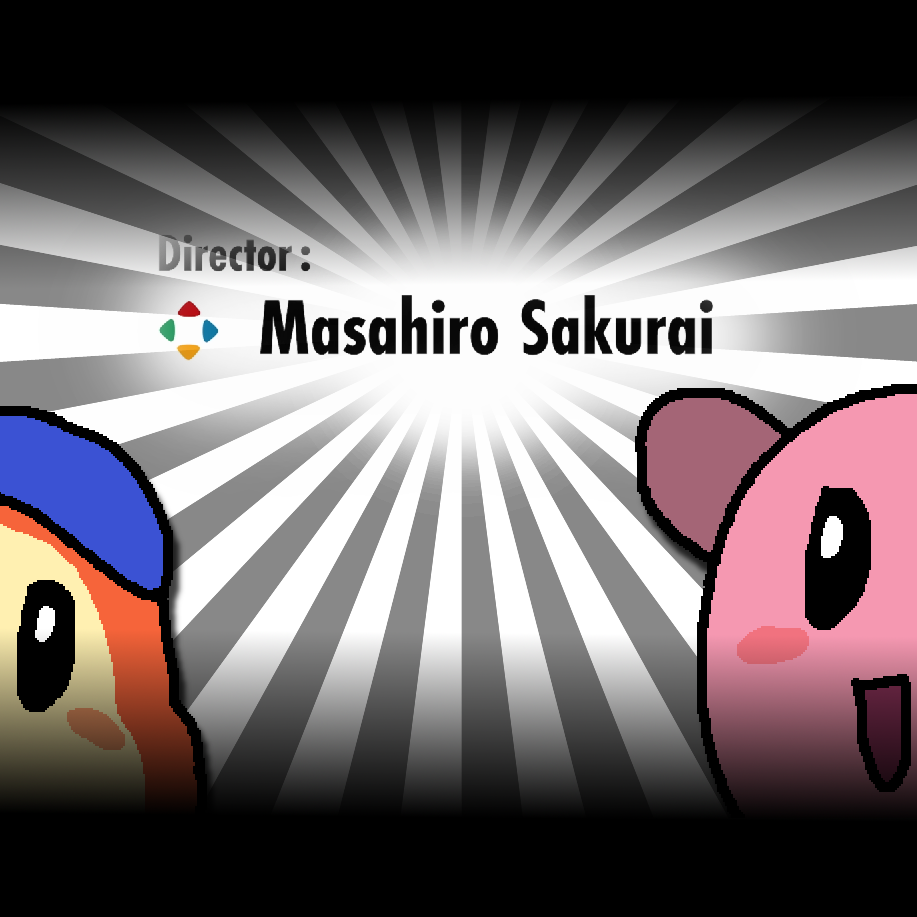
That’s why it was nice to see Nintendo specifically highlight Masahiro Sakurai as the director for the new Kirby’s Air Raiders in a trailer which really showed fuck all from the game aside from a logo. Sakurai is one of the few individuals aside from maybe Shigeru Miyamoto or the late great Satoru Iwata who have enjoyed name recognition outside the really hardcore audiences in the realm of games. As some of the old guard is nearing the retirement age, it’s been worrying to follow whether or not new names will arise as equivalents of Spielberg or Lucas of the movie side (hopefully minus Lucas’ infamy post-prequels). So far the world has resisted that, but it wasn’t always so.
Once upon a time, back in the stone ages, also known as the late 2000s, games took a lot of influence from movies and especially prestige TV. This included highlighting the directors of the games. This included characters like Ken Levine, the creator of Bioshock, American McGee, the creator of - you'll never guess this one - American McGee's Alice. On the indie side there were Jonathan Blow, the creator of Soulja Boy’s all time favourite game, Braid, and Phil Fish, the creative and visionary behind the modern Twitter argument. At the time, it wasn’t uncommon to see names like those paraded around to showcase that the games would be exciting creatively driven game experiences.
Now, the backlash to a generation always comes, and unfortunately, the backlash to the 2000s came in the form of most of the aforementioned creatives being massive arsebiscuits and generally bigheaded egomaniacs. Also most of them never made games again. Including Jon Blow, The Witness is not a game.
 Since the end of the 7th generation we’ve been sliding towards the realm of the Mouse, in which games are just known for the company they’re made by. Far Cry is a Ubisoft game. Mario is a Nintendo game. But it’s not like the corporation itself makes the game. The decisions that lead to a great (or terrible) game are always made by individual creatives.
This kind of corporate thinktank behaviour is what leads to the current world of games being little more than checklists of marketable features. It’s the kind of thinking that doesn’t let us understand why some games appeal to us and seem to make us feel or think something and why some don't.
The more savvy customers can and do dig out the names of creatives, and as such I'm sure this sentiment doesn't resonate with all the developer types reading this. The game industry has its own share of "creators' creators" who are big names to a very small group of people. But a peek behind the curtains is something that everyone benefits from, from creators to customers, and we've seen that in movies and games alike before. I think it's about time we start doing it again.

|
Status Update: July 2025 |
It's been a while since the last post hasn't it?
The reason for this drought is mostly because as of recent I've been writing more over at Distant Illusions, my (and Mors') indie dev studio. We relaunched the site for it in march, with a blog(!!!!!), and as a result all of the articles I would've put here have gone there instead. We finished up a game, called Operius DX, and I'm currently working on the game engine Radium, which is almost finished enough to be used for our next game. A really cool 3D platformer. Also I figured out how to steal power from my neighbours, and am using that to power my servers now, and that made Currently Unnamed Sequel To Smorbil useless, so he promptly passed away from sadness. His ghost is haunting the site now, which makes updating the blog a lot harder.

That aside, I also meant to update the site a little more in the meantime. the first project was a small text-based BBS thing, also known as an imageless imageboard. For use as a guestbook. As normal people do. That got turned into a forum on the Distant Illusions site instead, which is nearing completion, and probably more useful. The second project was my music portfolio, that I procrastinated with for almost a year, but is finished now. Some stuff is still missing from the backlog. I'll add the missing tracks eventually™, whenever I feel like hunting down missing release dates and files again.
But that's it for now. Please go visit the Distant Illusions site (link here in case you missed it earlier), follow us on social media and maybe make an account on the forums and say hi, if those are up by the time you're reading this. Oh, and please wish Currently Unnamed Sequel To Smorbil a happy hereafter, so that he'd stop haunting my server. It's really quite bothersome.
|
Missing Sequelinks: Banjo-Kazooie: Nuts & Bolts |
Games are really hard to make. Like, really hard. Way harder than you’d think, given the abundance of easily accessible tools and garbage on Steam, signalling to you that, yeah, it’s mostly morons making this.
No, games are very difficult. A good game making its way onto the shelves demands a combination of foresight, luck, and extreme amounts of skill in making mid-course corrections from nosedives, like a Boeing 737 pilot in a developing country.
The theoretical side of making games is still very much a crapshoot. Games are first built in a weirdo’s brain, then on paper, then as prototypes in small bits and pieces. Very often the versions consumers see at the end, referred to as “alpha” and “beta” are builds that have been in production for years. And in many cases, the game built in weirdo brain and on paper doesn’t end up being that good when you have something to actually play.
But this can usually be fixed through refinement. Refinement that the game the team is working on cannot get, since the goal is to release the project onto store shelves sooner rather than later. What these games need are sequels, that take the ideas presented, and put them together in a tighter fashion. Sadly, many middling games never end up getting that treatment. Hence this article.
Let’s begin by talking about a game that very much embodies the concept to me. The subject of today’s tale is…
Banjo-Kazooie: Nuts & Bolts.
Yeah, yeah, I know. I was there. Believe me, for years I thought this game sucked ass too. But I’d also never played the game. In 2017, I first had the chance to play it, and discovered that it’s in reality, pretty alright.
Banj– oh this title is too long, I’m just gonna call it Joey.
So as you've probably already understood through cultural osmosis and a tremendous amount of people bitching about it, Joey isn't about 3D platforming. It's about cars. Boy is it ever about cars. Joey is a game where you make cars to race against other cars, or to destroy other cars, or sometimes just to get more parts to make more cars, and even sometimes blow up a janitor's house.
It's a strange game that feels very of its time. It very clearly has notions of being some sort of physics sandbox title, which was popular in 2008. The creators went on to compare the game to Minecraft, but honestly, what I see the most in it is GMod. Strange physics, lopsided vehicle generation and a very freeform gameplay model.
I've come to miss the way sandboxes of this era worked. Nowadays a sandbox game's mission is a linear, psychotically strictly controlled list of events set against an open world background. Back in the 2000s, sandbox games missions consisted of a singular, very simple goal. How that goal gets achieved is mostly up to you. In Joey this allows you to find some spectacularly stupid ways of solving the challenges, or overengineer your craft so hard tht you break the mission's spine and leave it to die on the floor.
But it's hardly a perfect game. As the game progresses, more and more missions turn into rather dull fetchquests that tend to get longer and longer while barely adding any curveballs to the game. The Jinjo missions run out of new ideas about halfway through, and most of the later ones can be beat with the same vehicles you've built in the third stage. At the very end, there is simply very little the game does that it already hasn't done; it has run out of ways to push its very limited set of toys. This is one reason I have a hard time finishing the game, despite how much fun the early game is to play.
I'm not gonna touch the matters on whether or not Joey is a good Banjo game. I actually don't really have a clear opinion on that. The Banjo charm and world is a large chunk of what makes Joey tick in my eyes, and removing that would most likely make the game even more aggravating to play.
So to figure out the problems that lead to Joey's... problems, we need to venture back in time to examine how the game became what it is (cars).
Joey comes from that era of gaming where the industry hadn’t bureucratised itself to the degree it has today. Budgets had ballooned and the sizes of development teams had grown from 20-or-so to somewhere between 60 and 100 people, but there was still definite excitement from having access to big worlds and individual voices hadn’t yet been drowned out to the extent they are today. There still wasn’t a clear template for how a game was made (well, not that there still is, but nowadays people sure attempt to create them and, well, you've seen Ubisoft and all the little ubiclones).
Joey was born out of a desire to make a game that would stretch the idea of a big level. Previous games in Joey: The Franchise had been born out of a similar mindset of making big locations for players to explore. With the advent of a console generation two steps ahead of the previous Joey prequel, the developers had the opportunity to make levels about as big as they wanted. Maybe too big.
Our understanding of how exactly Joey came to be is still somewhat fuzzy, since despite a lot of the developer accounts of the creation process, very little concrete info is available. Many of Rare's employees are also massive liars and as such, most of the accounts also contradict one another. From available evidence, we can conclude that development began some time in 2004. Probably around a year was spent working on a remake of the first game, where Grunty would be competing against Banjo in a game to collect the… collectibles while the player is doing the same. As you might guess from that description, it didn’t work or get very far.
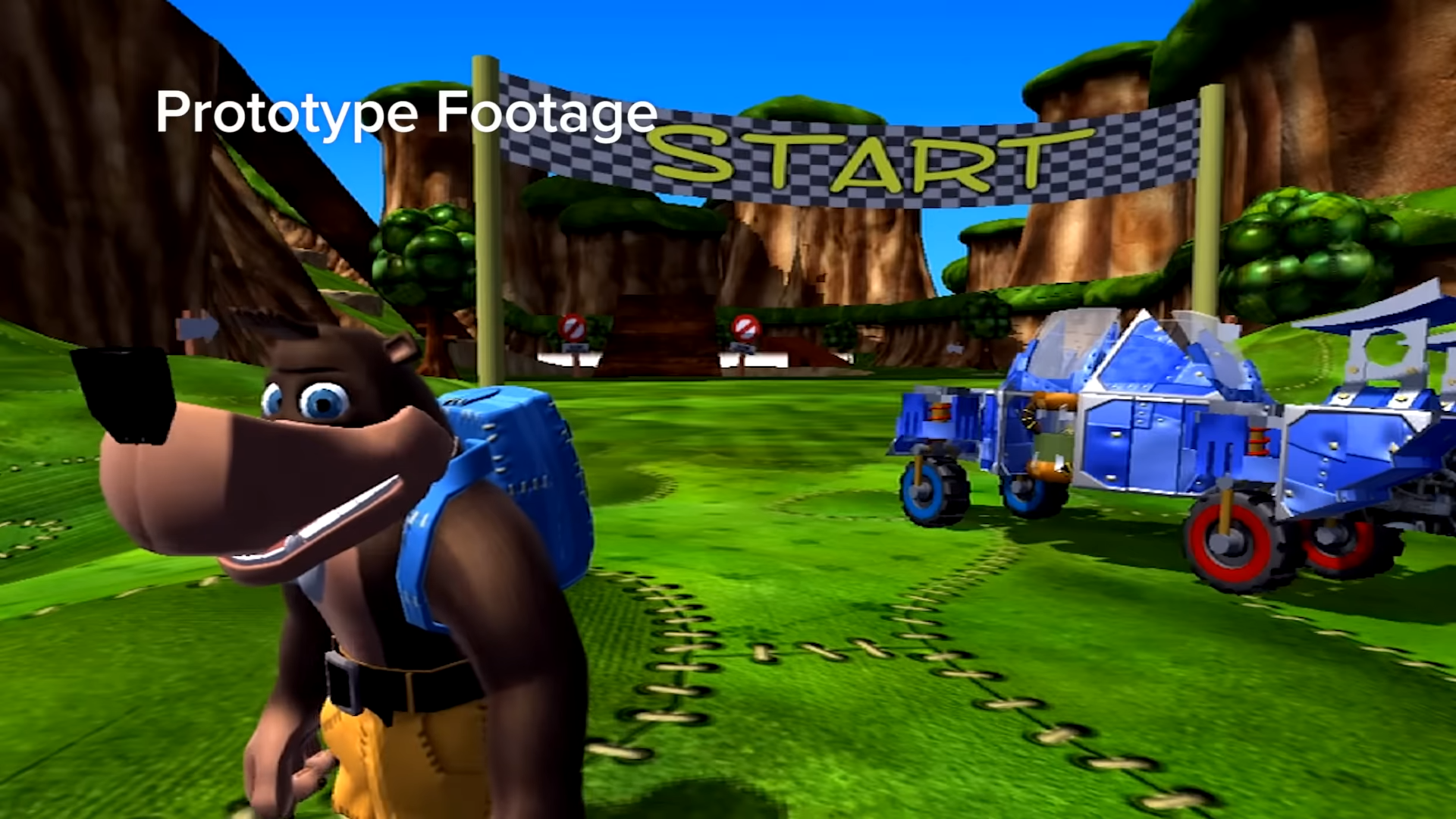
The earliest known footage of Joey is probably captured sometime in 2005 or early 2006, featuring the rectangular redesigned Banjo and a patchwork artstyle that would be adapted to Nutty Acres in the final game.
Joey was announced with no title at the Microsoft X06 event (in 2006…) with a trailer that had a shocking lack of cars. The people watching it could never have known that just two years later their hopes would be killed in a horrific drunk driving accident. You see, bears and beers don’t mix.
A lot of speculation over the years has directed hate at Microsoft for meddling with the game and turning it into a vehicle-based one, but in reality, it was probably all Rare’s doing. The developers have explained that the idea of The Car™ came from the fact that the gigantic levels made in a state of mild euphoria from all the processing power they now had were in fact so big, that the players couldn’t find the gameplay in them.
As such, the developers added vehicles to make traversing them easier. Now I know all of us non-cavemen living in the 21st century + 24 years look at this statement and go “well why the fuck didn’t they just make the levels smaller then?” but you have to understand. This was in 2005-ish and Grand Theft Auto was only 4 years old. You simply had to put a car into your otherwise unrelated foot-based game.
Perhaps now the issues with Joey start making sense. The developers never really planned out to make a game like what it ended up being,
they merely ended up stumbling onto it through various misadventures in making a game that wasn't a Car™ game.
A game is made by throwing a bunch of shit at a wall. Some of it sticks, some of it doesn't. Eventually you end up with something that works, and the game gets released to a wide "meh" from the general audiences, and disappointing metacritic scores. But once a game is done, you have estabilished a baseline for what the game is; at that point you have the tools and knowledge to tweak the game to be far better.
This is the strength of sequels: they don't just make money, they also exist to advance a previous idea to a new height by rebalancing and recontextualizing the elements you have already designed and written for your game.
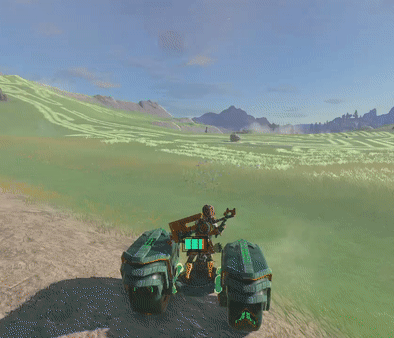 Joey is marred by its lackluster end. It's clear the team were both pressed for time and running out of ways to build on the car gameplay with the framework they had set out for themselves. There was an entire cut world, which I can imagine was removed mostly because there wasn't much to put in it. And also because making models and textures takes ages.
It's a game that demands a sequel. A lot of good ideas here are simply left not fleshed out, or are stretched out beyond their limits. A sequel could expand on things that aren't Car™ based, such as adding some platforming sections on foot in some levels to break up the monotony of truckin'. You could use the physics engine for more environmental puzzles, rather than simple predefined layouts. You could focus on exploration with wacky devices.
In today's world, as the gaming landscape is mostly littered with unimaginably expensive projects that set out to do nothing, like your middle-aged fat aunt chucking back her 4th glass of wine before noon while complaining about men during christmas, Joey still stands as something that wanted to experiment, but didn't quite land. It was doomed before it was ever played by anyone by its sky high expectations and the gaming landscape of the 2000s.
So we should remember Joey as the game that couldn't quite. But there is potential still left in it. Perhaps I should respect it more by calling it by its true name: Nuts and Balls. Wait shi--

|
Frankly, Fuck Bluesky Too |
So it's no secret that I kind of despise Web 2.0. Back in the 2000s it was novel, but as time has gone on, reality has time and time again smashed these sites in the face.
Twitter is dying, for like the 243808th time this year. As such, many people have jumped over to Bluesky. The main thread through most of the discussions I've had with my friends regarding Bluesky is whether it will ever actually take off and achieve dominance over Twitter, and whether one should even bother using it. But I think the more pertinent question is whether or not the world even needs yet another Twittter.
 I had a Facebook account from 2009 to 2014, and I've had a Twitter account since 2014. I've seen the social media rodeo several times by now. It's good for a while, then the tired for-profit-isms set in and soon the site will be just as unusable as every other platform. It's also an issue on smaller alt sites like Mastodon.
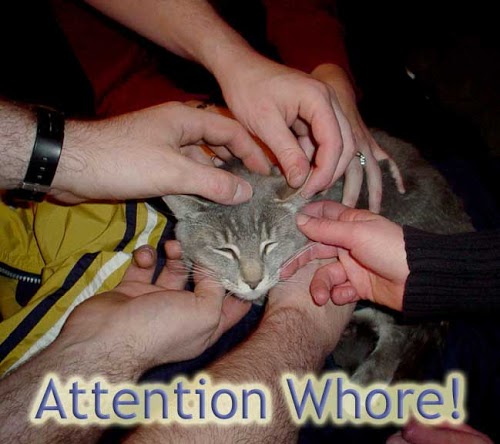
The main way you get any kind of conversation on Twitter is by getting on your soapbox and talking like you're shouting from the mountaintops. I hate this. I've always loathed attention whoring, and a platform where you have to behave like that to sustain basic social interaction gets under my skin very fast. And the way it encourages others to behave is also something that annoys me a lot. Thus you get a lot of inane takes, trendchasing posts that kill most fun interactions and a lot of edgy politics.
I believe, that quite a lot of the aggression we see in the world today is mostly thanks to the algorithmic promotion for profit in social media. But that's a post for another day. The point of this one was that I'm making my own social media, with blackjack, and hookers! Yeah it's a forum.
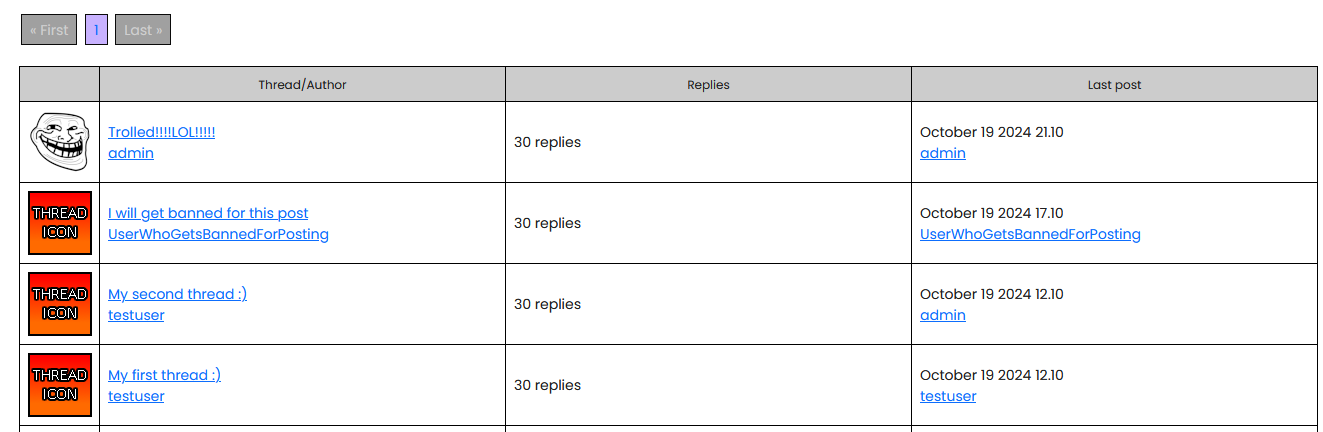
Distant Illusions, the indie game "studio" I'm running with Mors, will get a new website this year. Hopefully. A part of that refresh is that I wrote a custom forum implementation for the site. Sorry, adoring fans, no Catonator.net forums for the time being.
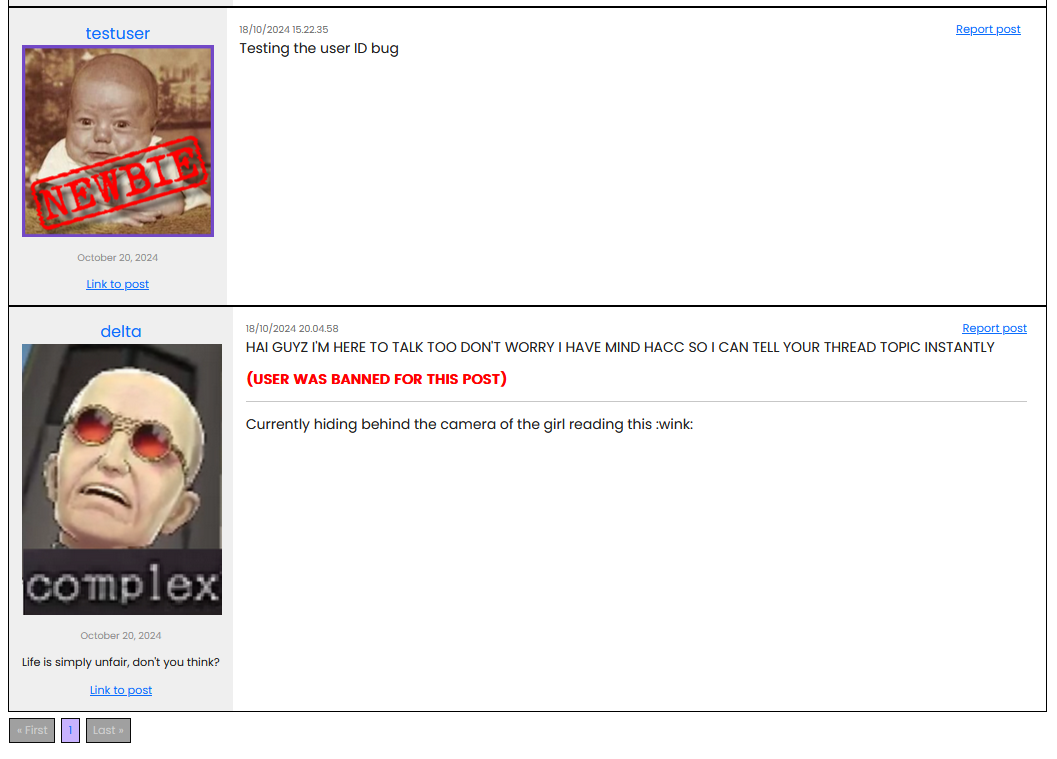 A few months ago I tried to write a post about why BBSs are superior to anything else. It never got finished, because once I'd finished describing the tiring nature of modern online communications systems, the post was already 4000 words long, and the BBS description took even longer.
I'm still in the belief that the only form online communication really works in is with something that resembles forums. Anything that's based around an attention economy like Reddit or Twitter breaks down over time, since you're never really limited to being seen within your friend group, and as comment sections get more complex, the chances of getting ostracized by the system increase.
The only reason why people are enjoying Bluesky right now is that there's less dipshits in there, and the website doesn't yet have to fight with massive data pools eating away at people's abilities to see everything. The site will suffer the exact same fate as Twitter as time goes on.
Really hoping I'll be able to show off a little more of the system later on. Currently it's all very unfinished and looks like shit (as you can see). Also very much hoping to see some of the people reading this hop over there. I still much prefer using the few forums that have managed to limp on until today, and would like to see them prosper again.
|
Fighting, Writing, Deriding and Righting |
Anyone still remember Doom Eternal? No? Well, this must be a perfect time to write about its story and storytelling, obviously the most important part of the fast-paced retro FPS game.
In early 2020, Eternal was the absolute most hyped item in the gaming landscape. You really couldn’t go a day without hearing something about Eternal and how it was going to change the world and be the next coming of Jesus himself as he descends from the heavens with a pair of sunglasses and a loaded shotgun. But in retrospect the game seems to have as much lasting notoriety as a silent fart in a well ventilated room, and I think I have an inkling on why that is.
Yeah, it’s the story. The story sucks and it’s gotten across in an even worse fashion. Doom has never really been a terribly story-focused franchise. In the original game, the context was all hidden away in the manual and in a few choice paragraphs of purple prose between episodes, resulting from John Romero misplacing the script for his next D&D campaign during development, talking about the how badass the things the Doomguy just did are. You know, the actions you played through moments earlier.
So why talk about the story in a Doom game? Well, while Doom Eternal’s cutscenes have a total runtime about equal to an average animated YouTube comedy sketch, the backbone of what it tries to get across is so phenomenally bad, that even 4 years after launch (yes it really has been that long), the experience continues to occasionally piss me off during an otherwise perfectly fine day. I think the best way to explain the many, many shortcomings within Eternal is to compare it to 2016.
In case you’ve forgotten what 2016’s intro was like, because the game’s over 8 years old and we’ve all gone senile, here’s a recap in text. You wake up in a rock coffin, a gravestone if you will, and are immediately assaulted by zombies. Once you’ve dispatched all the zombies in the room, you’ve given a short hologram scene showing a (by this point) unnamed woman examining your terribly uncomfortable bed along with some sort of digging crew, pondering about how you shouldn’t be let out. The room over, you find your suit and a computer screen explaining that shit’s fucked, but we don’t really know precisely how fucked shit is until you go and fix the antenna array for the shifuck-o-meter the next block over.
All of this takes about 5 minutes (and even that’s a pretty generous estimate) and sets up several things: you’ve been fished out from somewhere that isn’t here, there’s an invasion going on, some sort of antagonist is trying to impede your progress, and to understand what’s happening, you have to use the facility’s analytics. The intro manages to raise questions as a way to keep you hooked, and the specifics of any of the people involved hardly matters immediately, since the goals are extremely clear: kill the nasty things and find a way to stop more nasty things from showing up.
Should be a pretty easy thing to top. Hell, 2016 even ends with a clear as day sequel hook with a portal leading directly to an invaded earth, with the screams of the damned ringing out and stopping just short of showing the giant cock that our planet has been fucked with. Cool, next up is doing the same thing but in our own cities and possibly even helping people? Sign me up. Thus, Eternal obviously starts with Doomguy pretending to be a 90s movie hacker in a space castle in orbit around the Earth.
What? Where are we? How did we get here? What is this place even? Who knows, Eternal never bothers to answer any of these questions. Before you’ve even managed to internalise the first set of questions, the intro cinematic ends and Doomguy teleports to… somewhere. According to a wiki it’s on earth, but I don’t think it’s ever specified in the game, and mostly looks like the Hell environments you see in the previous game and later in Eternal. Perhaps it’s Detroit.
You meet a Hell Priest and kill him. What the fuck is a Hell Priest? It’s a Priest from Hell. That’s about all you get. Minutes after that you’re sent off to Hell to meet some guy who’s dressed like Doomguy and he gives you a big blue battery. Who’s that guy? No idea, he never comes up again. A bit later on you go to some science lab to find Samuel Hayden’s mangled robotic corpse, the character who kinda sorta acted as an antagonist in Doom 2016 (being the inventor of the hell energy that caused the invasion in the first place). Dr. Hayden left to save earth at the end of Doom 2016. How did he end up here and why is he so mang– Can you stop asking these questions? I’m trying to get through this blogpost. The game constantly assaults you with nonsense names dropped like they’re supposed to mean something, with no further explanation ever provided. “You must journey to Korewa Nandesuka and meet Baron Whofuckingcares and he will give you the great artefact of Muro Lusikkar” and you go there and do that and it feels like precisely nothing has been moved forward.
So what about player goals, what’s the main point of the game? Liberating earth I guess, but it’s not really clear how we do that and indeed, how it even happened by the end of the game where earth has ostensibly been liberated. The game pretends to have some sort of arc as King Novak (another character with no introduction who appears precisely twice) calls Doomguy a cunt at the start of the game, and at the end of the game phones Doomguy as he’s chilling in his space castle to tell him that he was actually a pretty alright cunt all along.
While Doom 2016 too did have backstory to Hell and back, all of it was hidden away in a bunch of codecs and optional materials in the game’s ten gazillion submenus. I never read most of them, because research is for nerds and pausing the game is for pussies. The backstory and world themselves also never became internal to the gameplay or level-to-level progression where your current goal is always along the lines of “destroy the demon spawner tower” or “kill the really mean demon cuz he’s really mean and also a demon”. It’s extra fluff for the players who do find themselves intrigued by the game and want to immerse themselves into the world further, but doesn’t hurt the players who just want to play the game.
Contrary to popular belief, even a baseline plot does add to a game. A basic explanation of what the current location is and why you’re there goes a long way to establish a solid backbone, even for the kind of gamer who doesn’t really care about the story and just wants to get on with the gameplay. Eternal completely misses both of these strengths and crams as much of it as possible directly into the main story path, while cutting the rest. As a result the game’s overall plot is both always in the way and utterly incomprehensible. At the end, all you’re really left with is mostly a bunch of disconnected plotlines and names related to Hell lore without understanding what they mean or how they fit into any other part, like watching a random episode of a soap opera on TV.
In the years since Eternal’s release (and even before that), we’ve heard horror stories of id Software’s management and the terrific rush to release. I think the plot isn’t the only part that shows what a rush the development was, the combat ends up being rather repetitive by the end and the game barely tutorialises most of the gameplay mechanics, opting to send in a fax that pops up and pauses the game in its tracks while the company heads are laying on a beach in the caribbean, sipping margaritas. Through all of these goofs, it’s easy to forget one of Doom 2016’s greatest achievements, which was its breakneck pacing while breaking necks, and its breezy story that laid out a nice clean plate for all the gameplay meat and potatoes to be contextualised in, and the complete lack of that inside Eternal. And I wouldn’t review a restaurant that just catapulted a bunch of food onto my face without a plate very highly.

|
Marketers are Morons |
E3 is dead, but suits still need to get their fix for both their crippling gambling addiction and their exhibitionist fetish somewhere, so you know what time it is! It’s… a random weekend in June.
That’s right, with no real reason or cohesion to onlookers, this just happens to be the exact moment when all the executives could no longer hold it in and had to bust all over Twitch, which is much easier nowadays thanks to the camwhore apocalypse. As such, we have a fuckton of new trailers and other assorted trailer-like homunculi to pour over as the good little consumer piggies we are.
But the past few years, the ads have seemed increasingly unlikely to stir any excitement. Trailers are more cookie-cutter than ever, and actual gameplay reveals are a disappearing art. And much like last time when I complained about gaming news, all the developers actually making the games are mysteriously absent. Yes, you read that right, this blog has continuity now! Look forward to the blogomatic universe announcement later this year.
Looking back at E3s of old, these new events are cheaper, more condensed, more accessible and entirely controlled by the corporations and not vulnerable to the oh-so-familiar gaffes of live shows. Yet they still happen just as rarely as E3. Somehow the genius executives at the top have decided that, you know, instead of letting people know what’s happening more often and spreading the games accordingly to give them all room to breathe, we stuff even more crap into a shorter timespan and as a result nobody even remembers what we saw two days later.
Confoundingly we’ve decided that now gameplay reveals are also trailers. Both Perfect Dark and That Indiana Jones Thing Because Disney Has To Stay Relevant™ had “gameplay reveals”, but both were some sort of amalgamation of gameplay clips strung together and overlaid with the same piano-inception horn trailer music trash every other trailer was full of. Why even bother? Just cut out the middleman and show us a CGI video clip at that point for all the difference that makes.
I’m honestly a little confused about what all the suits even do all day. They’re paid exorbitant sums of money and all they can come up with is the same shit all their friends and THEMSELVES have been doing for years. Does the marketing team also double as the company’s cocaine quality assurance wing? Presumably the business school all these clowns come from is equally tilted in their goals, since I’d imagine “don’t immediately shoot your product in the foot” and “don’t make your product look as undesirable as possible” would rank fairly high on a business 101 class’ Don’t-Fuck-It-up-o-meter. Alongside wisdom like “don’t burn all your money like Heath Ledger in the Dark Knight”.
I feel the early onset Old Man Syndrome setting in again. Last time it was gaming magazines/news, this time it’s gaming events. There’s another one about marketing and gameplay gifs on social media that I think I’ll save for later. It’s a little frustrating that consistently I hit the same issues with the consideration of “it worked so much better before, what the fuck happened?”
Many complain about E3 et al. being just loaded advertising breaks, but the truth is, even in a moneyless society marketing would still be needed to let people know your artwork exists. A marketing campaign doesn’t just exist to sell you on something monetarily, but also timewise. Even if a game was free, the time commitment still means that you’ll filter out a lot of art unless you know it’s worth your time.
It’s a little disappointing that a theoretically better and more accessible system still makes me miss the haphazard cringefest that was E3, but a well oiled marketing machine also completely lacks the humanity that this medium so sorely needs right now. So please, bring it back. E3 needs to exist for this industry’s long term survival.
And also the E3 bingo cards. Those are the most important bit.
|
News for gamers |
So the most notable recent gaming news is that there’s going to be a whole lot less gaming news going forward. Which to most of you is probably a massive win. See, IGN announced that they’ve bought roundabout half of the remaining industry that isn’t IGN, and with online news also dying a slow death due to the approaching new wave of journalism called “fuck all”, I can’t imagine IGN and its newly acquired subsidiaries are long for this world.
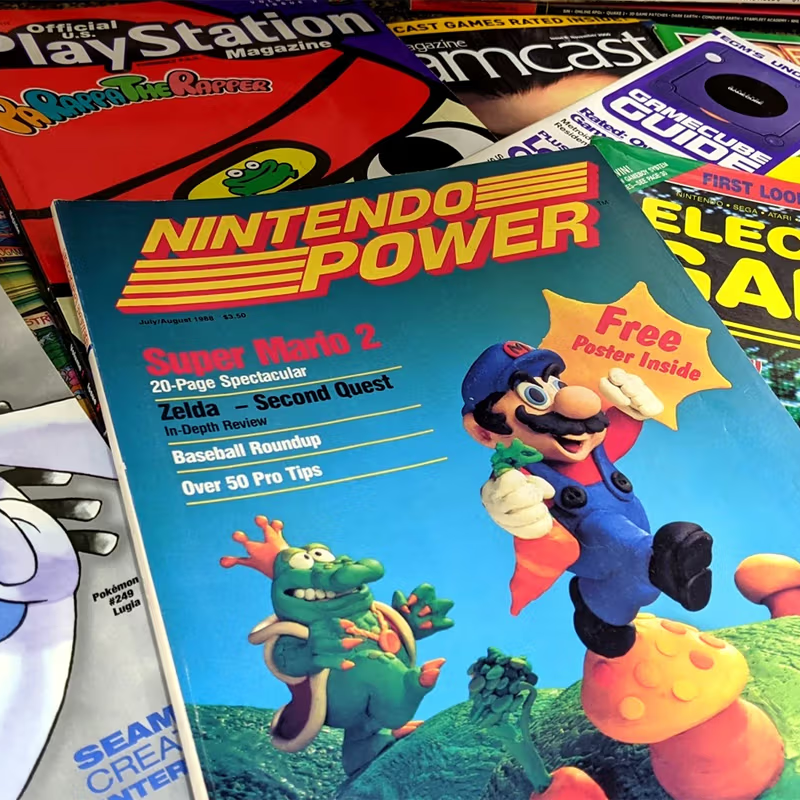
Not too long ago, I was studying some magazines for my Alan Wake development history categorization project (please don’t ask), and reading the articles in these magazines led me to a startling realisation: Holy shit! This piece of gaming news media doesn’t make me want to kill myself out of second hand embarrassment!
Many of the magazines of yesteryear typically went with the approach of “spend weeks and sometimes months researching the article, and write as concise a section as you can with the contents”. Every magazine contains at least 2 big several-page spreads of some fledgeling investigative journalist talking to a bunch of basement-dwelling nerd developers and explaining their existence to the virginal minds of the general public.
Contrast this to modern journalism which goes something like:
-
Pick subject
-
Write title
-
???
-
Publish
Using this handy guide, let’s construct an article for, oh I dunno, let’s say Kotaku.
First we pick a subject. Let’s see… a game that’s coming out in the not too distant future…Let’s go within Super Monkey Ball: Banana Rumble. Now we invent a reason to talk about it. Generally this’d be a twitter post by someone with 2 followers or something. I’ll search for the series and pick the newest tweet.
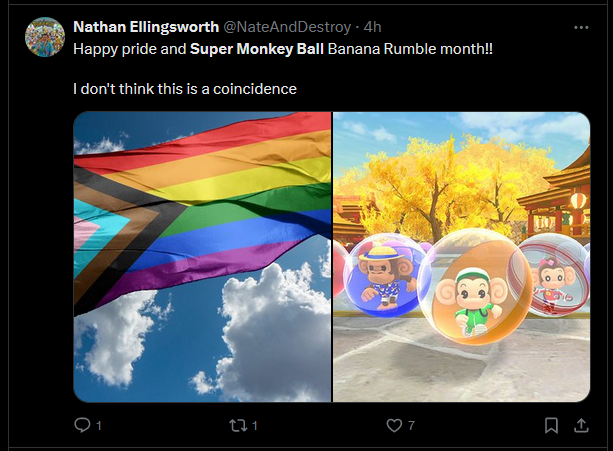
Perfect. Finally we need an entirely unrelated game series that has way more clout to attach to the title… What else features platforming and a ball form… Oh, wait. I have the perfect candidate! Thus we have our title:
Sonic-like Super Monkey Ball: Banana Rumble rumoured to have a gay protagonist
What? The contents of the article? Who cares! With the invention of this newfangled concept called “social media”, 90% of the users are content with just whining about the imagined contents of the article based on the title alone. The remaining 10% who did actually click on the article for real can be turned away by just covering the site in popups about newsletters, cookies, login prompts and AI chatbots until they get tired of clicking the X buttons. This way, we can avoid writing anything in the content field, and leave it entirely filled with lorem ipsum.
Somewhere along the way from the 2000s to now, we essentially dropped 99% of the “media” out of newsmedia. News now is basically a really shit title and nothing more. Back in the day, when newscycles were slower, most articles could feature long interviews with the developers, showing more than just shiny screenshots, but also developer intentions, hopes, backgrounds and more.
Newsmedia is the tongues that connects the audience and the developers in the great french kiss of marketing video games. Marketing departments generally hold up the flashiest part of the game up for people to gawk at, but that also tells the audience very little about the game in the end, other than some sparse gameplay details. It was the job of the journalist to bring that information across to the slightly more perceptive core audiences. Now with the backing of media gone, a very crucial part of the game development process is entirely missing.
It’s easier to appreciate things when they’re gone I suppose. But at the same time, since gaming journalism is slowly dying from strangling itself while also blaming everything around it for that, there is a sizable gap in the market for newer, more visceral newshounds. So who knows, maybe someone of the few people reading my blogs could make the next big internet gaming ‘zine? Because I’m pretty sure anyone here capable of stringing more than two sentences together is a more adept writer than anyone at Kotaku right now.
|
We are live! |
For years, my website has been tirelessly operated by a small gremlin-like creature in my basement I named “Smorbil”. Smorbil has been endlessly cranking the hand-operated server my site runs on since 2020, but sadly, he has reached his limits. As of last month, Smorbil hasn’t been able to wake up after a heart attack, even when I’ve poked him with a cattle prod. I tried the defibrillator too, no luck. I will hold an impromptu cremation burial as soon as possible.
In the meantime, I’ve replaced Smorbil with a new creature who still goes unnamed for now (if you have suggestions, email me at contact@catonator.net), and my recently appointed slav– er, employee’s newfound energy has given me an opportunity to also update my site to this spiffy new straight-out-of-the-future-as-of-20-years-ago look. Pretty neat, huh?
As you might’ve noticed, I now have a blog on my site. Hint: you’re reading it currently. I’ve kept some sort of public record of my deepening madness on tumblr so far, but now I have my own site which is Rad and Based and Tubular and other already outdated vernacular. I’m not entirely sure where my ramblings will go from now on. I guess we’ll see.
I’m also not really sure what I’ll do with my old tumblr archives (i.e. the shit that nobody really wants to read anymore). I’ve considered uploading them here for posterity, but I’m also incredibly busy with my daily schedule of throwing paperballs dipped in bowls of spit (yes, plural) at people who pass by under my window, so I kinda don’t feel like wasting time on that.
And before you go, please wish Currently Unnamed Sequel To Smorbil good luck. He has many years of hard labour ahead of him.